
Recycling Machinery
October 27, 2018 in Articles
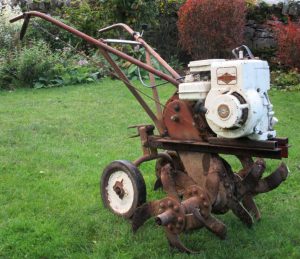
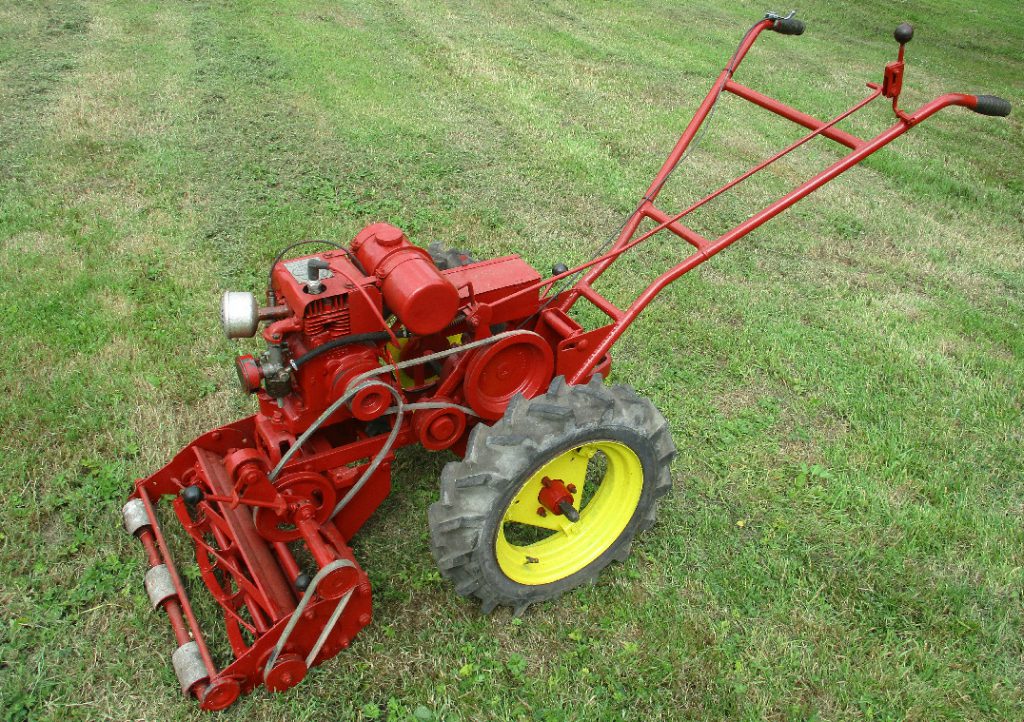
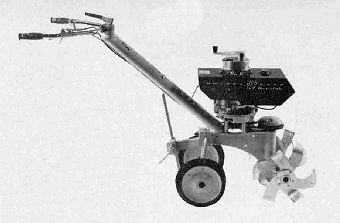
A Merry Tiller of many parts, including an engine built from three – inc a change of crank and piston. Wheels off a Landmaster mower, throttle from a Wheel Horse.
As an example; these past few weeks I’ve brought a Merry Tiller back to life (image on right), it wasn’t so much as a kiss of life it needed but more of a whole heart and limbs transplant. It’s had so many parts from a large array of expired machines that I’m sure Frankenstein couldn’t have done a better job, but the Merry Tiller runs, it lives to fight another day even if it no longer resembles the picture on the 1970’s brochure unless one squints a bit, thankfully the Merry Tiller admirably battles on to do the job as it was originally intended to do.
But instead of all the old machinery that we collect, restore and patch-up there is a huge amount of new and temptingly cheap machinery on the market. I could of splashed out 169.99 of my sacred Yorkshire pounds and bought a new knock-off Merry Tiller, but I wouldn’t have had as much fun, besides guilt would have set in too. Yet I’m sure we’ve all noticed cheap-as-chips mowers, tillers and hand tools in DIY stores and catalogues tempting the average homeowner into buying a new piece of equipment, but how much of this ‘stuff’ actually is there? Recently I came across a mind boggling figure in a trade article that said 3 million watering cans, plastic or otherwise, had been successfully flogged to the general public in 2018. How many will last even a handful of years? Or on a wider scale how many of the presumably tens of thousands of mass produced built-to-a-price domestic garden implements, tools or plastic-bodied machines built with a short lifespan in mind will ever merit or even reach preservation?
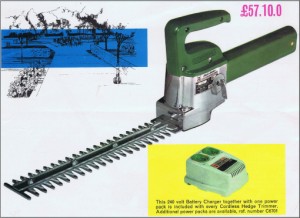
On the search for a Black & Decker battery powered hedge trimmer, will one ever surface?
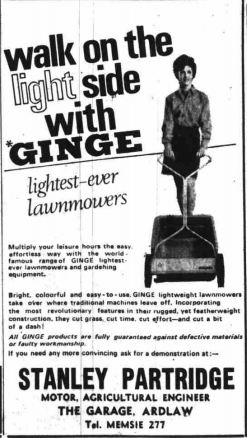
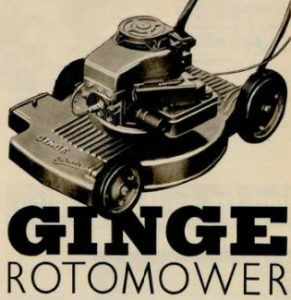
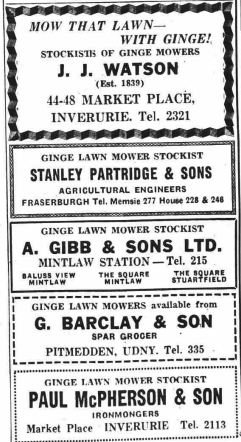
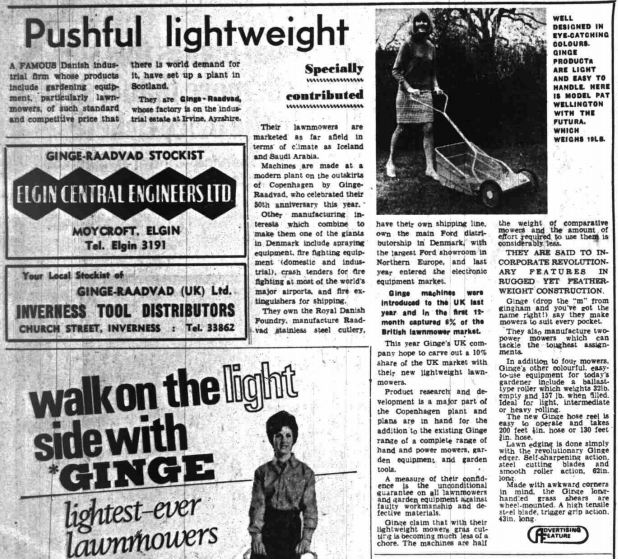
Yet this mass production of machinery and equipment is not a new phenomenon. Manufacturers always had the ambition to balance production with as much profitability as possible, whether it’s machinery or watering cans or as in 1973 when Ginge-Raadvad were considering 80 miles of reinforced PVC garden hosepipe. A figure which seems quite incredible but they would have decided that it was an amount that could be sold easily to the UK public and so 80 miles it is.
But tools, hosepipes, watering cans and machines do reach the end of their lives and as such there are definitely some scare tools and machines about, perhaps once produced in their hundreds or even thousands there are some which are now almost lone survivors. These items and machines are now reappearing, partly due to social media and the internet, they are creeping out of the woodwork or more aptly surfacing from under tarpaulins in overgrown gardens. Some machines find their next performance not in a garden but on an auction site described as ‘barn find’ and ‘rare’ even if they’re not and which doesn’t necessarily equate with the heart-stopping price that is being asked anyway.
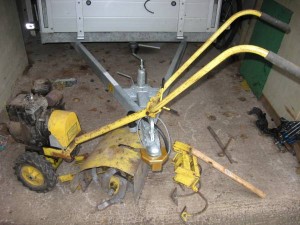
Yellowbird Cultivator Tiller
It would appear that whatever you are looking for, whether it was mass produced or created in a small quantity, then it may be closer than you think, of course part of the fun is seeking out that machine, the research and bringing it back to life.
And harking back to the good old days of my childhood I’ve decided then that searching for and collecting all the vintage horticultural equipment and spending hours at the workshop bench to bring it back into use is like being a cross between a Womble who were always “Making good use of the things that we find” and those mice on Bagpuss cheerily chanting “We will fix it” to anything that’s broken. Which reminds me, I’ve got an Iseki rotavator but it’s sadly ill and needs resuscitating, I’m thinking of sending it to those mice, that’ll stump ‘em!
*Footnote. Younger readers may need to visit Youtube to see the delights of both the Wombles and Bagpuss.
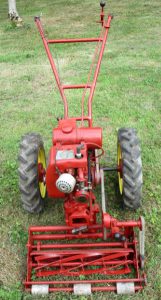
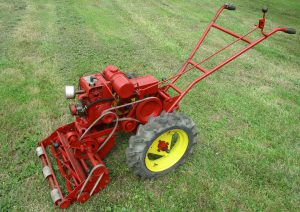
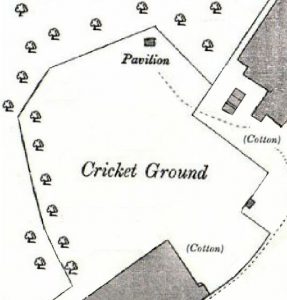
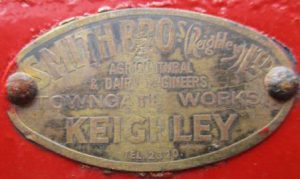 Unusually this article is briefly about a specific machine. And just as this Barford has a history so does every machine and they are always worth researching. If you have a manufacturer name, address or makers plate then five places to start are: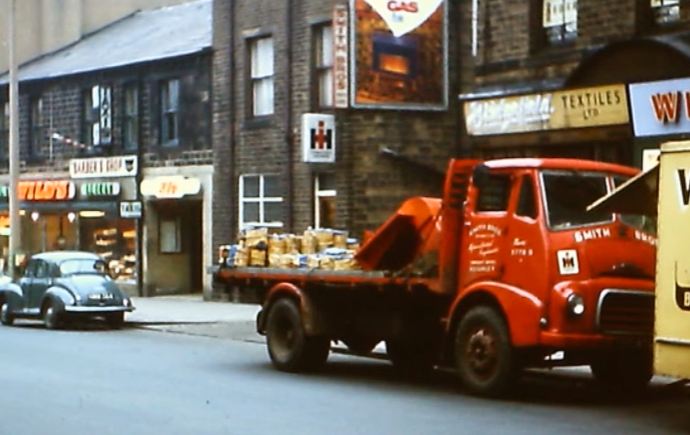

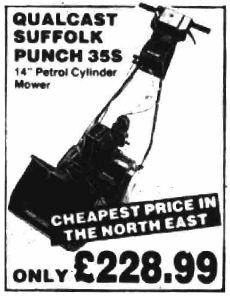
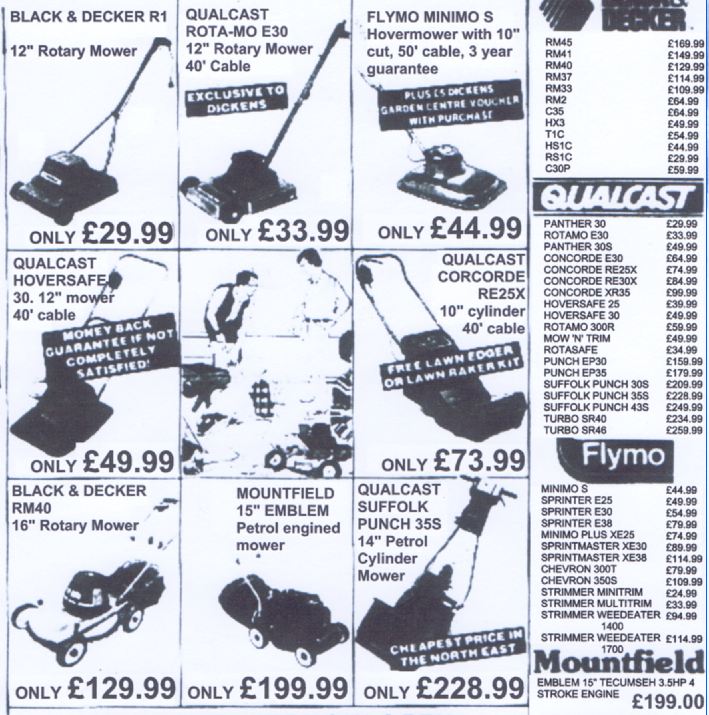
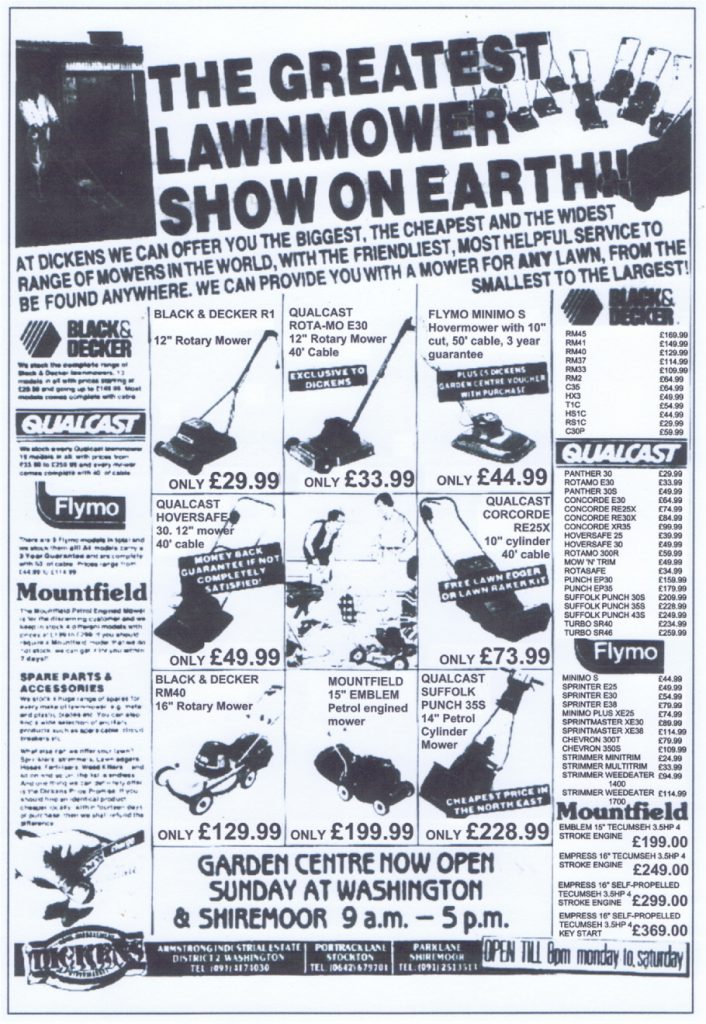 Briefly, there is a huge range of electric mowers. What’s the difference between the Qualcast Concorde RE25X and the RE30X apart from £10.00 ? Or the Flymo Sprinter E25 and E30 ? A brochure would be mighty helpful!
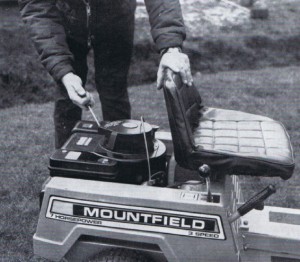
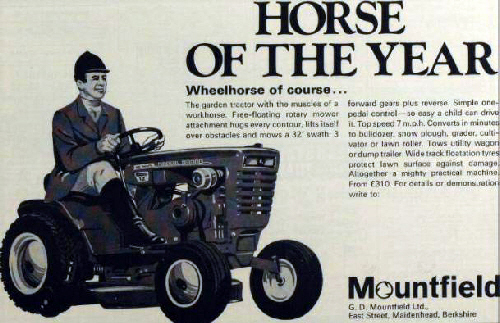
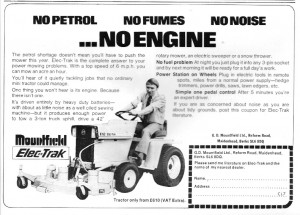
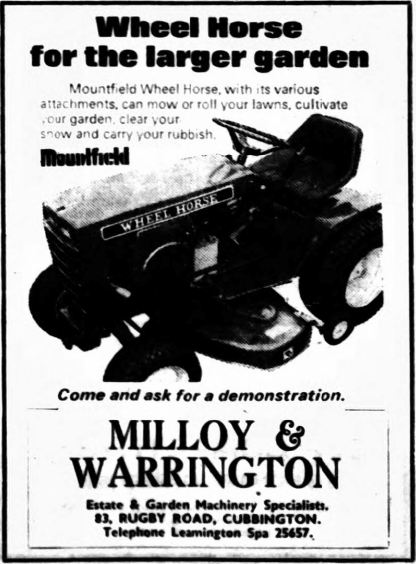
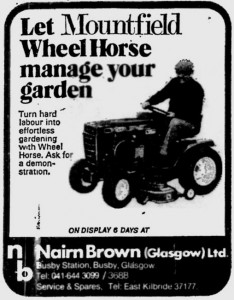
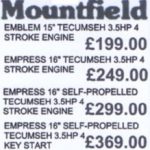 There isn’t a Mountfield electric mower in the bottom right corner of Dickens advert, they may not have been manufacturing them at the time, but their petrol mowers show that the price nearly doubles between the Mountfield Emblem 15″ and the 16″ self propelled with electric start, both with a 3.5hp Tecumseh engine – would that be a premium product at the time?
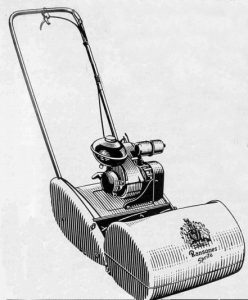
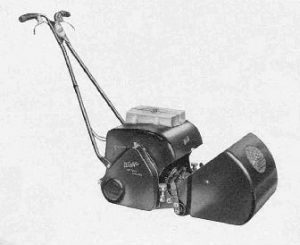
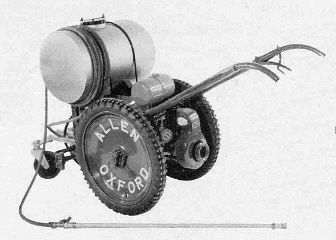
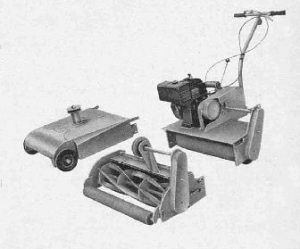
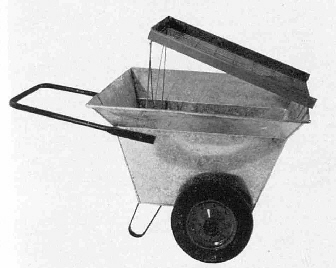
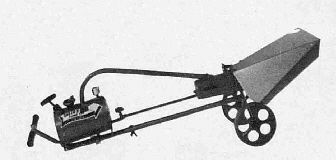
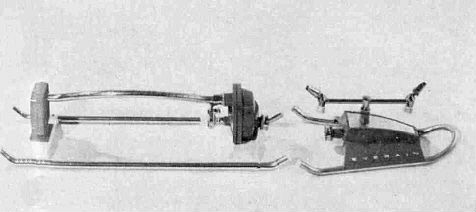

 Humour can capture the attention of the prospective customer far easier than any serious advertising might.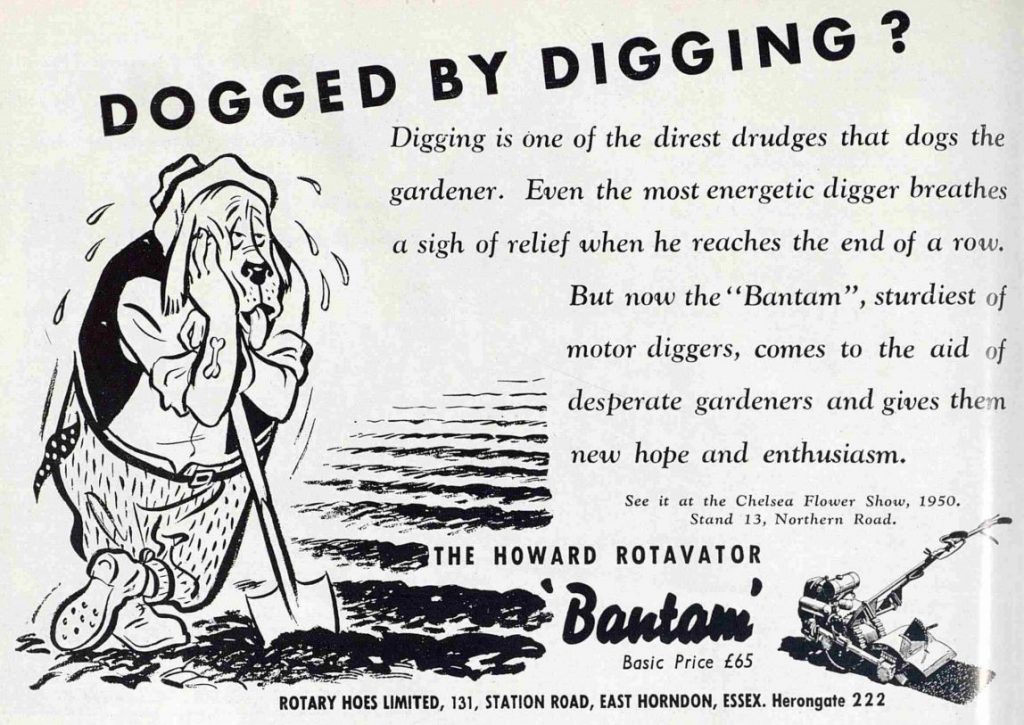


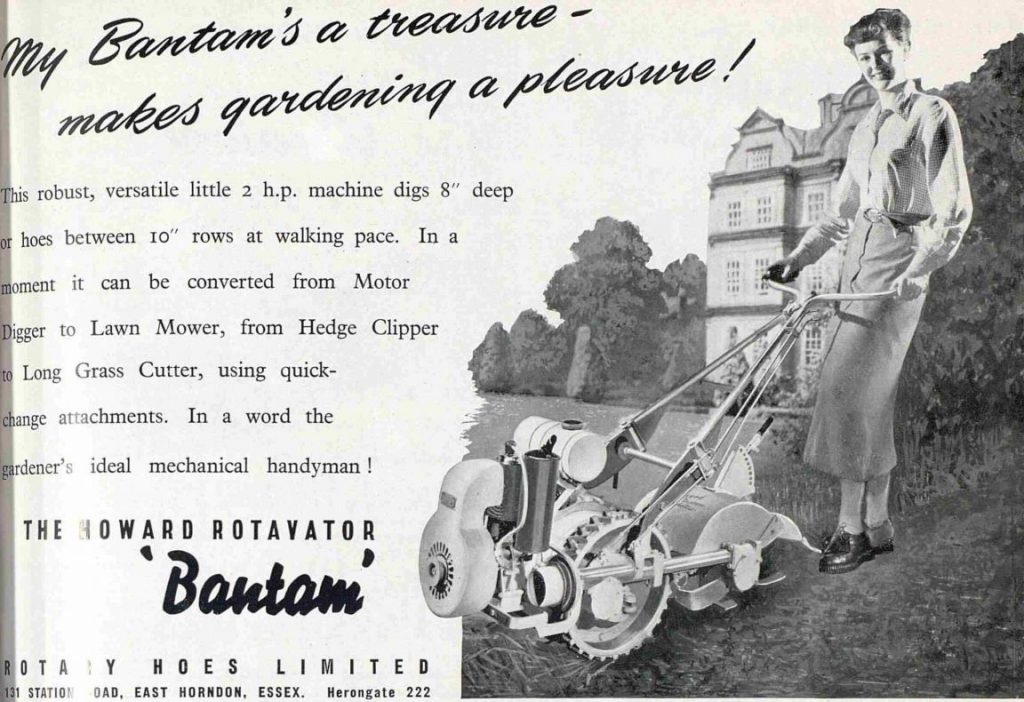
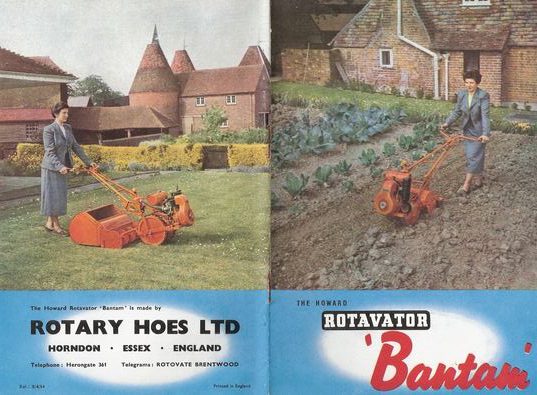
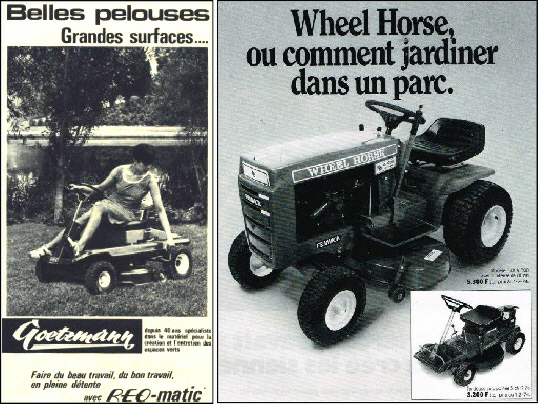
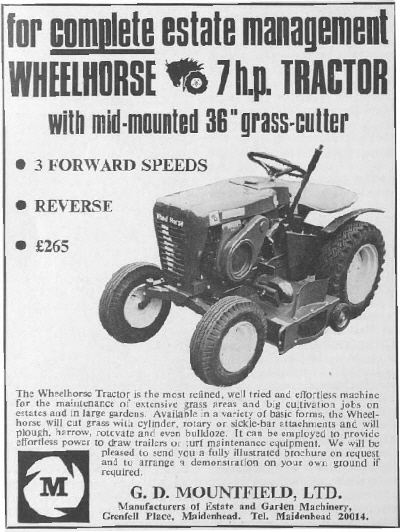
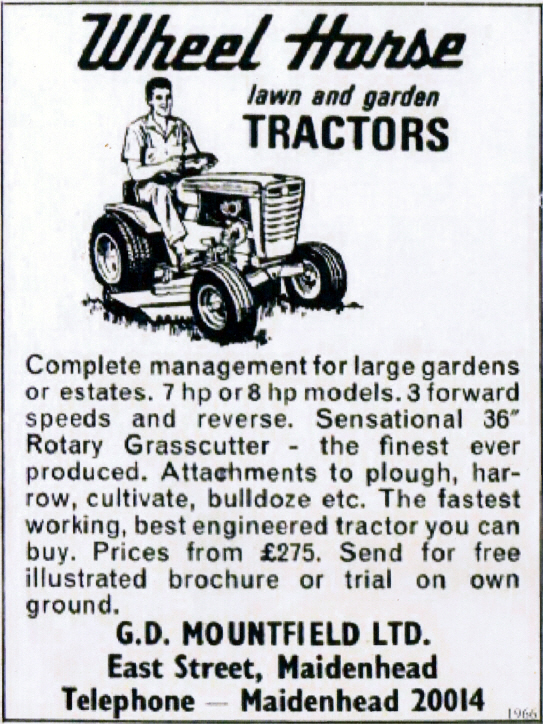
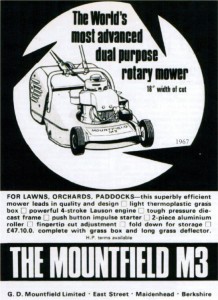
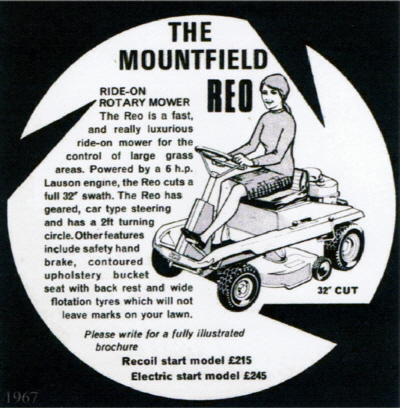
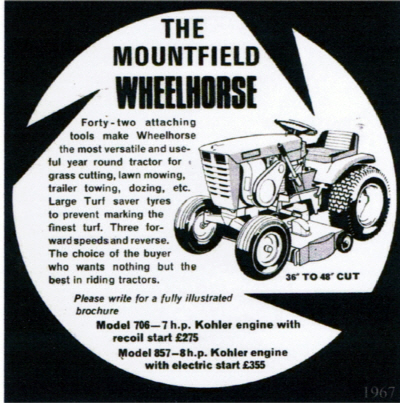


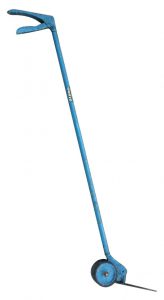
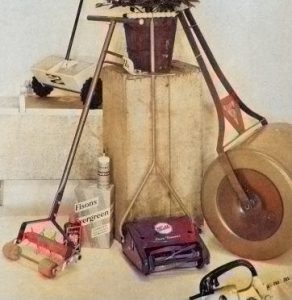
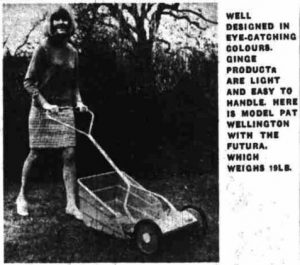 The mowers available were all cylinder mowers, the hand propelled Prisma 12″ (£6.19.9d) and Futura 16″ (£8.19.9d). As shown in the image, right.