
Forum Replies Created
-
AuthorPosts
-
January 6, 2026 at 4:39 pm #44543
davidbliss
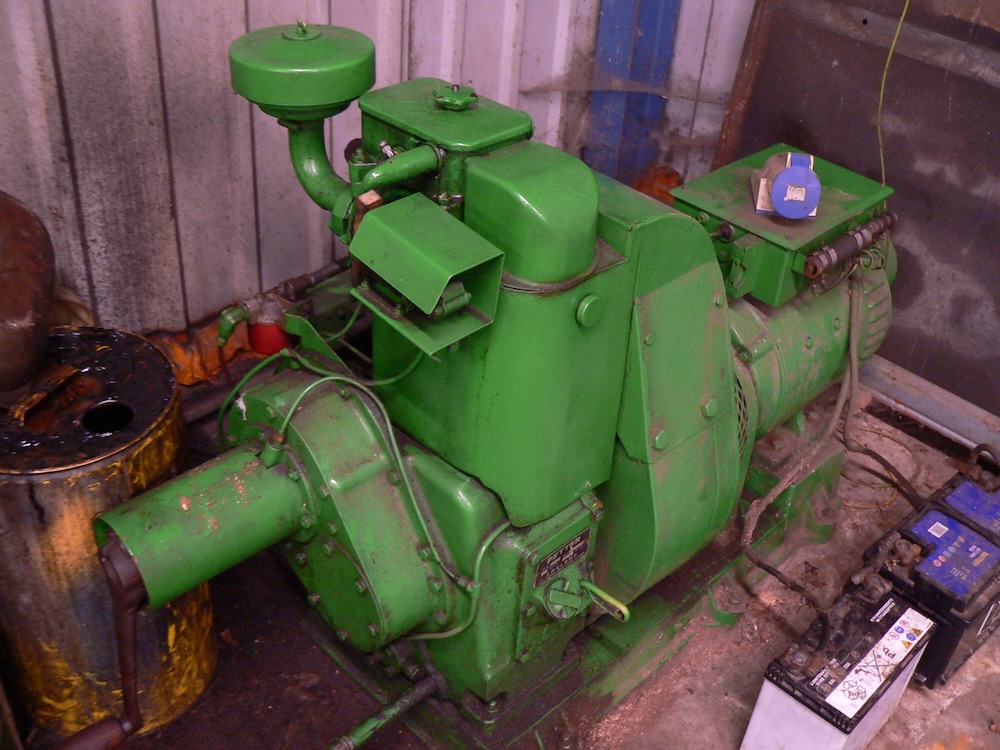
ParticipantA update, So a just encase mice had carted nuts up the silencer and blocking that, I dropped it off and found it was quite clean inside, but end was rotted so fixed that, and ran it up for few minutes and what is failing got much worse and even turning it over by hand makes a good thot sound. so some part of cam lobe has gone or the follower, exhaust and injection timing is still normal. so needs a replacement cam and followers. Think its made of cast iron so not good to weld and steel would be easier but bit of trial and error get that exact and probably get distortion and even a small bit on the injection timing makes a lot.
Attachments:
December 29, 2025 at 6:35 pm #44531ParticipantI have just found the paperwork from 53 through to 62 when it was stopped being used regally it says cast iron head without seat inserts, one fault with old oil was the oil restrictor supplying oil to the valve gear used to clog and nearly stop, now with high detergent oil it hasn’t slowed in years in-fact its quite wet up top and very clean.
Attachments:
October 25, 2025 at 5:22 pm #44263ParticipantWe had a large version that looked like a very large fire extinguisher 1930-40s, no idea of make but held getting on for three gallons brimmed, had a carrying strap but a bit on the heavy side. My grandfather and my father used it quite a bit and in the 1963 winter was used to thaw water pipes out to get water for the animals, I never used it for weeding but with fire bricks could heat up some serious big bits of metal given time.often had to replace the pump washer, and often a bit of leather used to get in the non return foot valve and pump handle would go up, and was another reason for not carrying it as often would dribble paraffin when that happened.
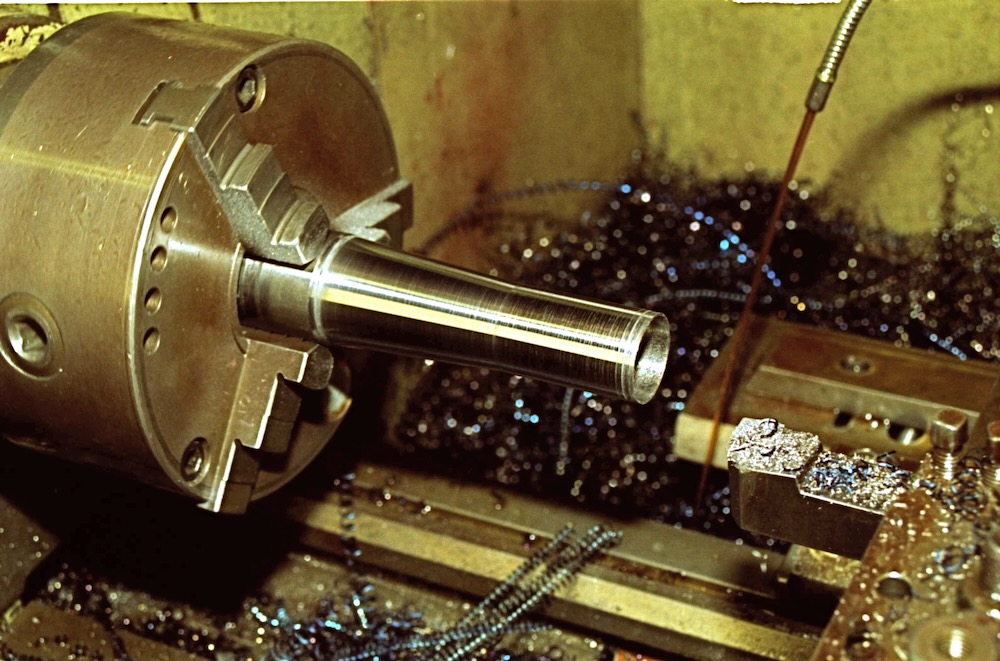
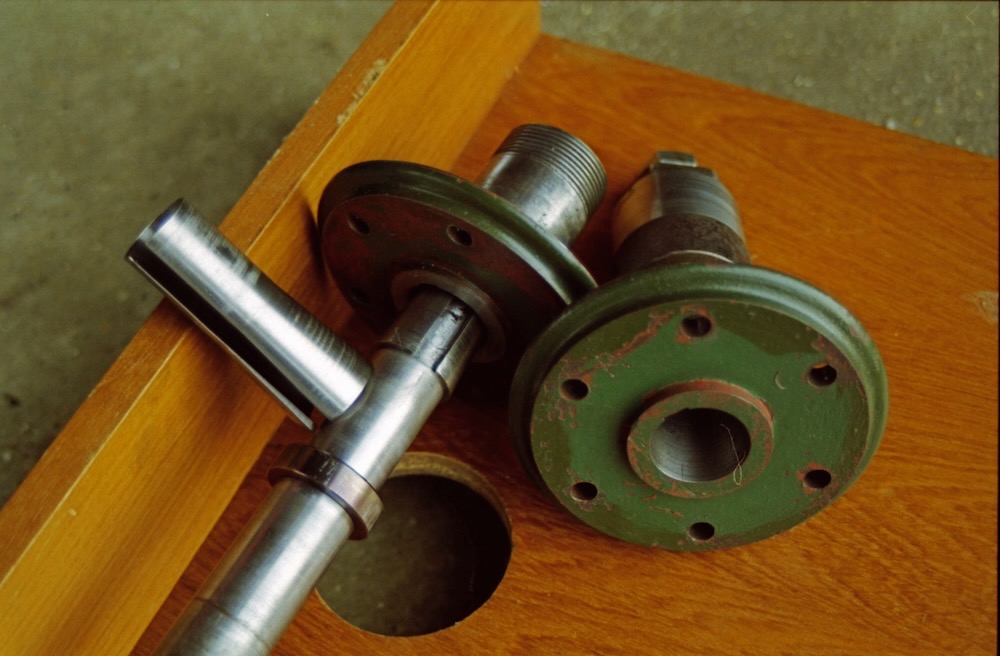
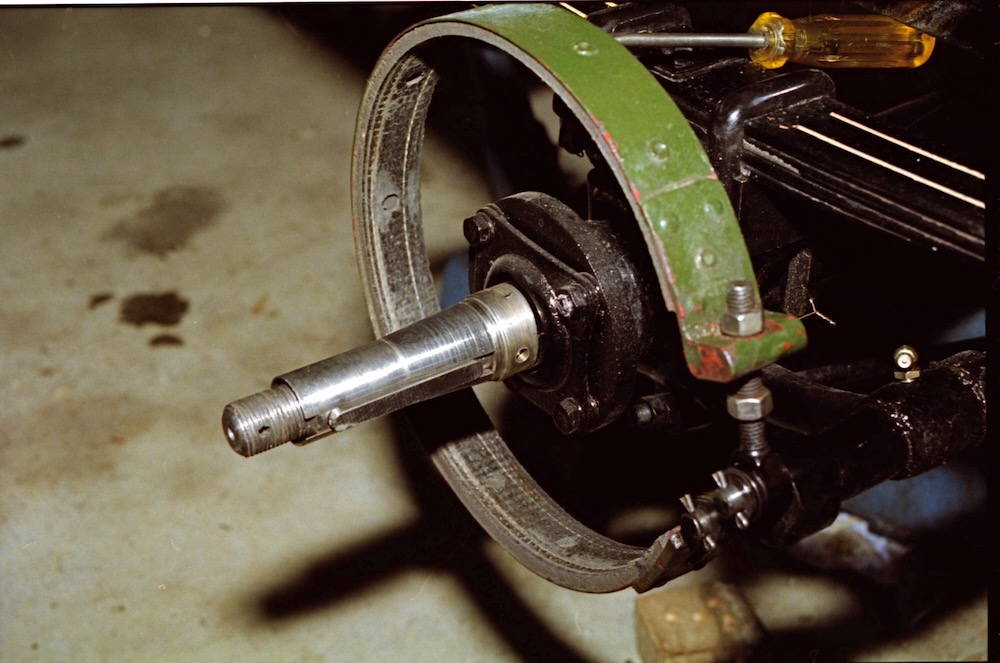
September 24, 2025 at 9:21 am #44150ParticipantGrahame, I have had severals things to make conversions for and with parallel inner up to a shoulder and tapered outer and split to work, that could be to save a nasty accident. if working in opposite with tapered inner and keyed the outer but if you split the bush it works even better as long as the driven part has a good strong boss. On some early cars? well can think of one in the late 1960s used rear wheel hubs sitting on parallel shafts. It didn’t work in the early cars so never worked in the later ones ether and it stressed the threaded part of the stub by bending until it breaks and wheel takes a hike and if the brake drum was with it even more excitement as no braking. 1905 Rover all suffer, with slightly different as has to have part taper as outer part not strong enough to take the stress and if kept to a shallow taper would be very difficult to pull off in the future, so shaft needed to be held tight but not to stress other parts. So its a good safe repair if thought out.
Attachments:
September 5, 2025 at 3:12 pm #44100ParticipantAbout what year, engine looks like a Rotor scythe. Looks less Heath Robinson than what my neighbour put together in late fifties always wondered where he got the idea from, using a plough disc powered by a very early Mk 12 Villiers, two pram wheels, can’t remember what he made the frame out of but was very impressed being open consumed little power, what ever you pushed it through it cooped. always looked bit dangerous but really no different to what I have today on the end of my strimmer head, ether a four bladed or six toothed disc. oddly large blades only good on light stuff whereas the toothed coops with nearly up to an inch when you don’t want it cut.
August 27, 2025 at 11:38 am #44028ParticipantI tried leather as had it at hand but wrongly used the crocodile fasteners, soon found out they only like going round to bend in one direction over pulleys so the tensioner soon destroyed fastener and belt, I did get it right as have laminated and glued leather for large cone clutches and worked, one hadn’t needed attention in 60 years use so work without issues. Care is needed in fitting as leather cut short, laminated, glued and dampened as has to be shrunk on, plus it isn’t just a straight bit of leather ether as has to be cut crescent shaped.
August 26, 2025 at 11:12 am #44026ParticipantMy Grand father used one for years and then got a Ransoms that wasn’t ideal late 50’s got a David Brown 2D that ran rings around the crawler, I resurrected the plough Mate in the 60s it was easier to use than most and soon put a wheel up front so if need be going anywhere went in reverse. Belt got bad and Fenner just glued one it worked for a time, they did find a belt looked like the original lasted years until sold.I have seen people using the toothed cam belt type by turning them upside down.wonder if using two side by side, I have seen wide ones but the original was very flexible.
July 31, 2025 at 12:08 pm #43968ParticipantGrahame, I wouldn’t worry about reinstating how you took it apart, I look at it as some idiot of an idea to cause other issues when in standard form it would be impossible to get. I have seen this before like a lad on the shop floor knew what he was doing wasn’t quite the ticket but expressing his opinion gets told off from above. A certain director had a vacation, and a design engineer had already got things well advanced with patten made for casting and by the time this particular director came back a twin overhead cam engine was up and running on test showing great things. Well it got well and truly stamped on, there were six engines built so that was a feat in its self, fifty years later a engine turned up in a Riley chassis but not a Riley engine, it had been found and raced many years with success without issues without being stripped, so showing its great design and mechanical strength. Photos of it were published in a motoring mag saying does anyone recognise this and someone did, It would have been a huge asset and the engine that was used was not quite a lame duck but noting so as reliable or advanced as the one that already had been made.
July 24, 2025 at 12:18 pm #43954ParticipantGrahame, I would restore to original spec so wouldn’t cause other issues, not a modern? bodge up of an idea, flywheel, locktite and fail safe? key with a nut locked with a roll pin as couldn’t see that saving damage as with speed comes inertia. crank with its assisted flywheel with locktite and safety shear key don’t think parts would survive. I have restored the odd bit mechanical machinery that had been bodged or with parts missing and extras added on, then doing research often doing hundreds of miles going to museums, even then only to find there exhibits often had been got at with later parts added. I remember a commentator saying how wonderful an old car sounded on climbing a steep test hill with its chuffing of its engine, clouds of steam and orchestral whine of gears. Thank goodness things have changed over the years and now see some wonderful engineering in making parts putting them back to how they should be. A few years ago had a 1920’s Humber car gear box to check to find out to what had caused it to get stuck in one gear. Well it was simple, no way can keys in keyways that drive sliding gears can be held captive with rivets for long, they eventually break so why put them in when the key’s can’t escape anyway as two sets of gear hold them in. So a easy fix get rid of rivets. I was told this car was so original and never been touched, with all having the lovely sounding noisy boxes. So I was looking at the gear profile that was good but heavily worn, shafts and gears didn’t match so a mixture of parts, bearing caps chewed up showed of previous disasters of bearing failure so the boxes past showed it was Knackered. New keys, bearings and to prove a point those boxes should run quiet was able to press off both of the meshing second gear ratio’s turn over and replace so they ran silent on drive but noisy on overrun. I was soon asked could I do it to the other gears.
July 22, 2025 at 1:45 pm #43943ParticipantGrahame, I have an idea what someone has done, the flywheel nut should be done up quite tight without the need of locktite, and with it being held in position with the roll pin and flywheel locktited sort of sends shivers down my back. and it could be penny has dropped. Right the crankshaft should be pulled up tight against that mag sides bearing, So it should be crank inner face up against, bearing, spacer, points cam and then flywheel all locked up tight with the nut, so you should have four parts to fit flywheel side yours wasn’t pulled up tight hence roll pin. I think what some would say is a non mechanical person has attacked or lost a bit it could even be on the impeller side loosing some shims that adjust clearance on the back side. Now if the flywheel wasn’t on at that time being messed with at the pump side they would have drawn the crankshaft threw some bit, then it looks to me they then fitted the flywheel later and on what should have been able to do is pull the nut up tight but in-doing so would have pulled the crank threw locking the impeller up against the back face, So I would remove pump housing and unscrew the impeller. Sort out the flywheel and hopefully be able to pull up tight and still turn the flywheel someone has lost something.
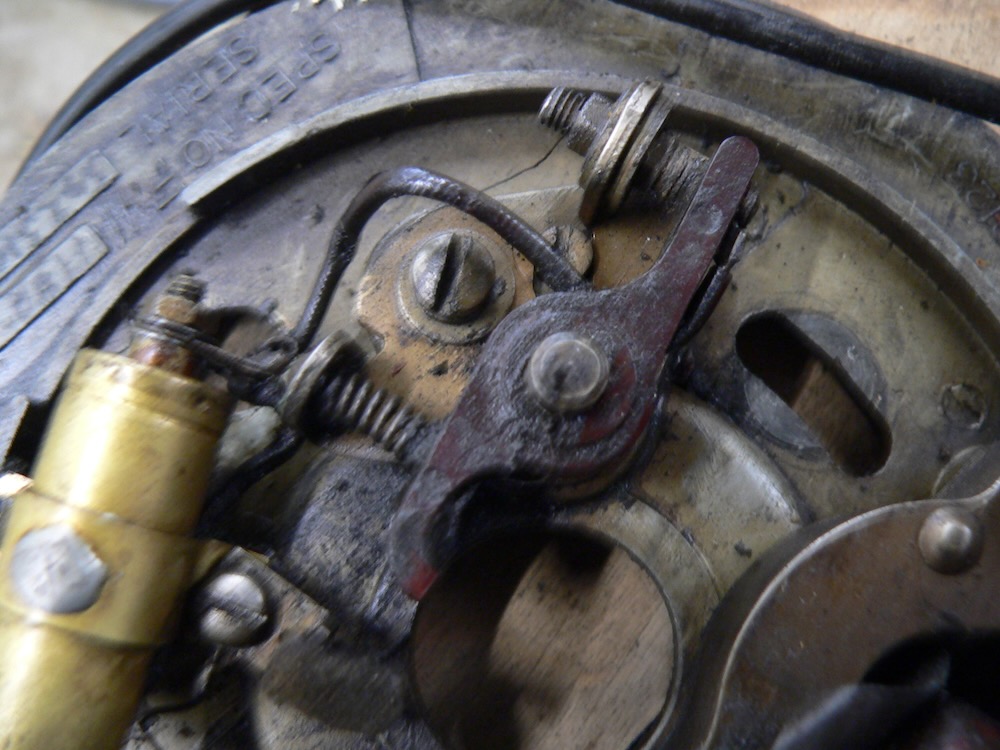
July 21, 2025 at 3:11 pm #43935ParticipantAndy In Grahame’s photo just visible I recon can see hole in the thread towards its end, I have seen all these sort of things bodges get up to, like a nut coming loose so they found one with a tighter thread being a different thread rate. Going back many years the one of the engines I had was a bit flat for some time but always started and checked the timing think 30 degrees BTDC if I remember right that didn’t improve things, then changed out the complete unit, only difference was the points, seems a bit odd as complete arm made of Tufnell used a flexi wire from coil and the stationary point was earth, whereas all the others have been opposite so stationary was insulated and fed from coil and point arm had just a fibre heal rest all steel earthed through the spring so less likely to fail, well it worked.
Attachments:
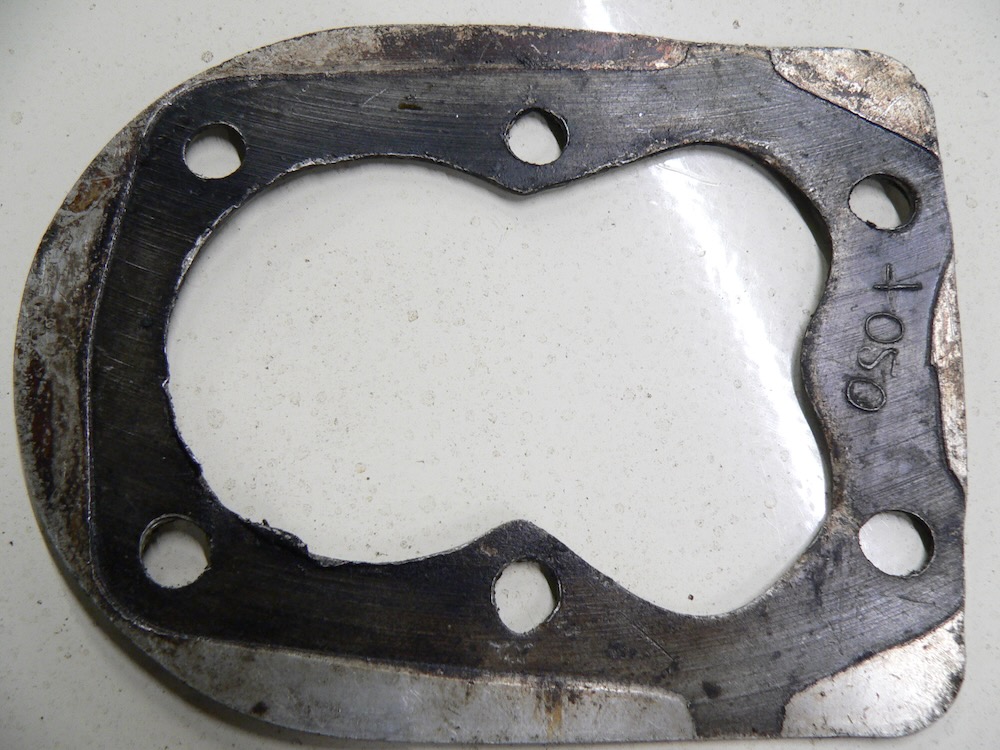
July 20, 2025 at 10:24 pm #43926ParticipantAndy Yes reckon the roll pin come the bodge it it up brigade as never seen a flywheel nut come loose had alloy break a few times where the rope hooks onto so fitted a new one and found the alloy is just a tight push fit so skimmed a bit off the steel and welded a nut and pressed the alloy back on this makes it so much easier to fit and all that I have seen had head gaskets made from soft 0.055 thou sheet alloy, the only major failure had was a die-cast flywheel with internal metal corrosion causing expansion and came loose from the steel boss causing a slight knock at idle.
Attachments:
June 27, 2025 at 7:39 am #43858ParticipantYes to everything, A for sale and wanted section bit on here think would be good.
DavidJune 26, 2025 at 12:14 pm #43853ParticipantWhat you need is a small two stage fire pump so pressure not volume, I was always at Knights engineers for anything from re-bores to any type of shaft grinding, they had a small splined shaft that had been hard chromed in places and was set up for grinding it back. They said here you are guess what sort of engine and hp drives onto that shaft, well I thought looking at the shaft at a guess thought like about a MK25 Villiers of hp rated, I was a bit out and had un-knowingly seen it at work, 900RPM 5 cylinder Gardener driving a large multi V belted pulley down to a small pulley that must have given a 5-1 ratio done for irrigation at Blooms nurseries. Two stage is the way to go, I have a 50s Stuart 3/4 inch motor .5 HP at 2800RPM head and GPH should be there but couldn’t find it and think the head was well up with the Alcon.
June 26, 2025 at 7:58 am #43848ParticipantAndy
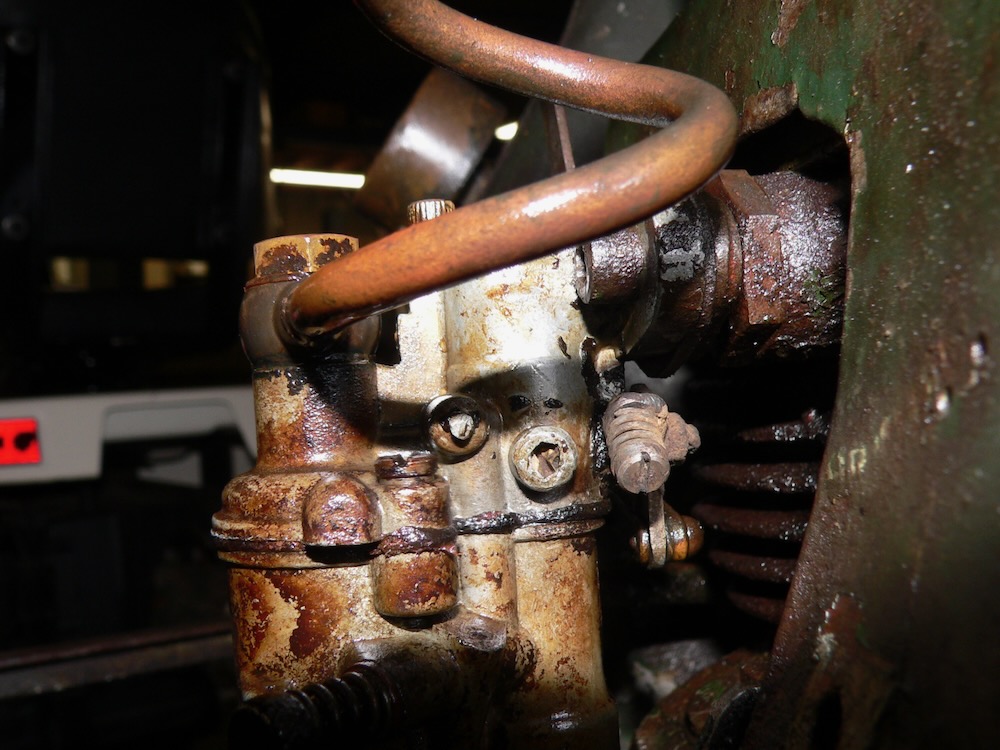
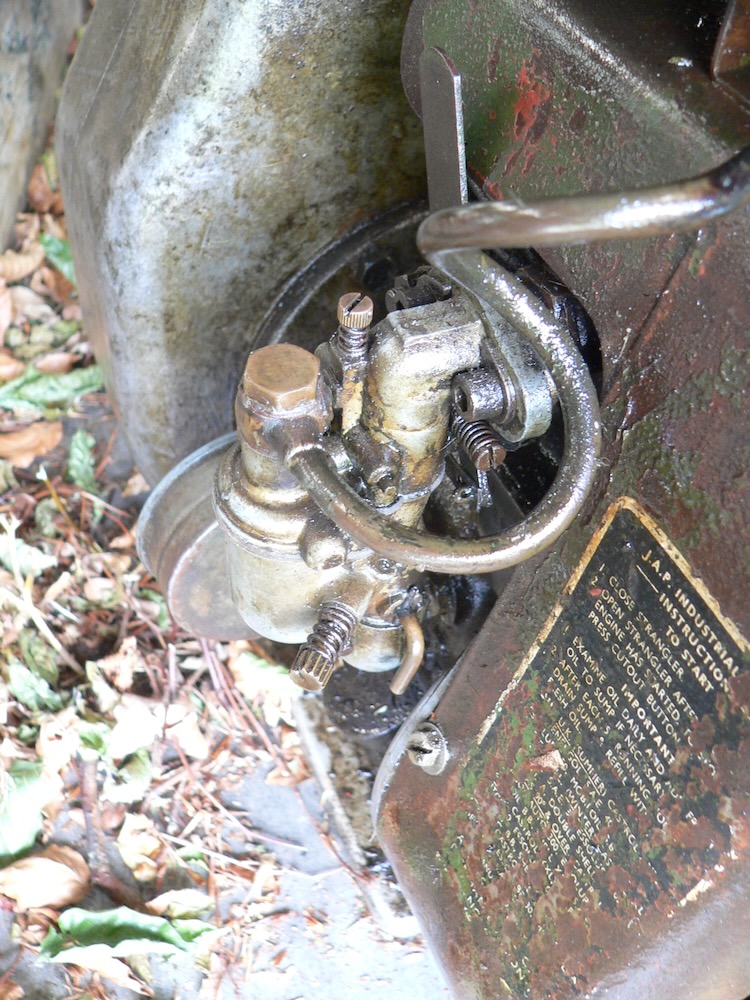
It isn’t yellow paint and for some reason with the LED light ether over exposed bits and changed material colour, its 60 years of crud from evaporated petrol, some places it was on very thick but did blow off a bit. that carb in my infancy I fitted for my father, as originals with the ball floats being dented looking like golf balls often after being left would go back to start it only to find been leaking. Looking back that pump was a real life line as the farms only water supply was the Bore hole that Panks put down in 1942 that regularly was out of action in the driest times so was a great help watering stock from ponds. Original carbs had T 12 and T 13 on with C1266? no JAP script, ordering a new carb I somehow was afraid when asked for butterfly orientation had got it wrong? well if I hadn’t would still have got the blame, luckily that carbs neck was universal moulded and I re-drilled and plugged and he never knew. In those early days my equipment to make anything was gutter bolts, hacksaw, file and Black&Decker drill, that carb number 01433C type 13TCA-2 and the later new correct one I fitted 01392 from just over 20 years ago.Attachments:
-
AuthorPosts