
Home › Forums › The Machinery Forums › Pedestrian operated machines › jap 16H landmaster 150 engine with 161 wipac mag
Tagged: jap16H, Landmaster, Wipac
- This topic has 13 replies, 4 voices, and was last updated 10 years, 7 months ago by
andyfrost.

-
AuthorPosts
-
March 9, 2016 at 10:00 am #20173
 vhgmcbuddyKeymaster
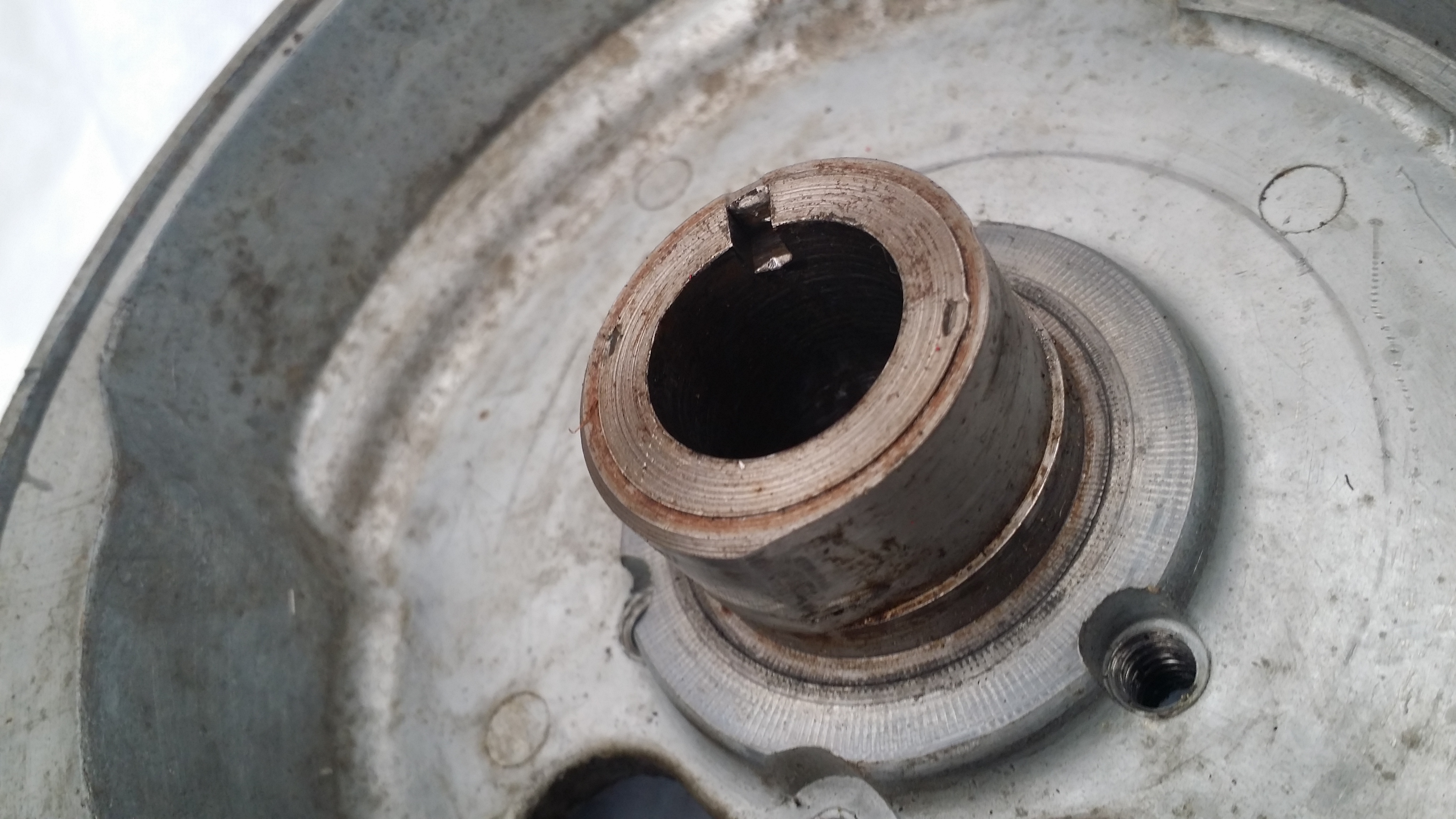
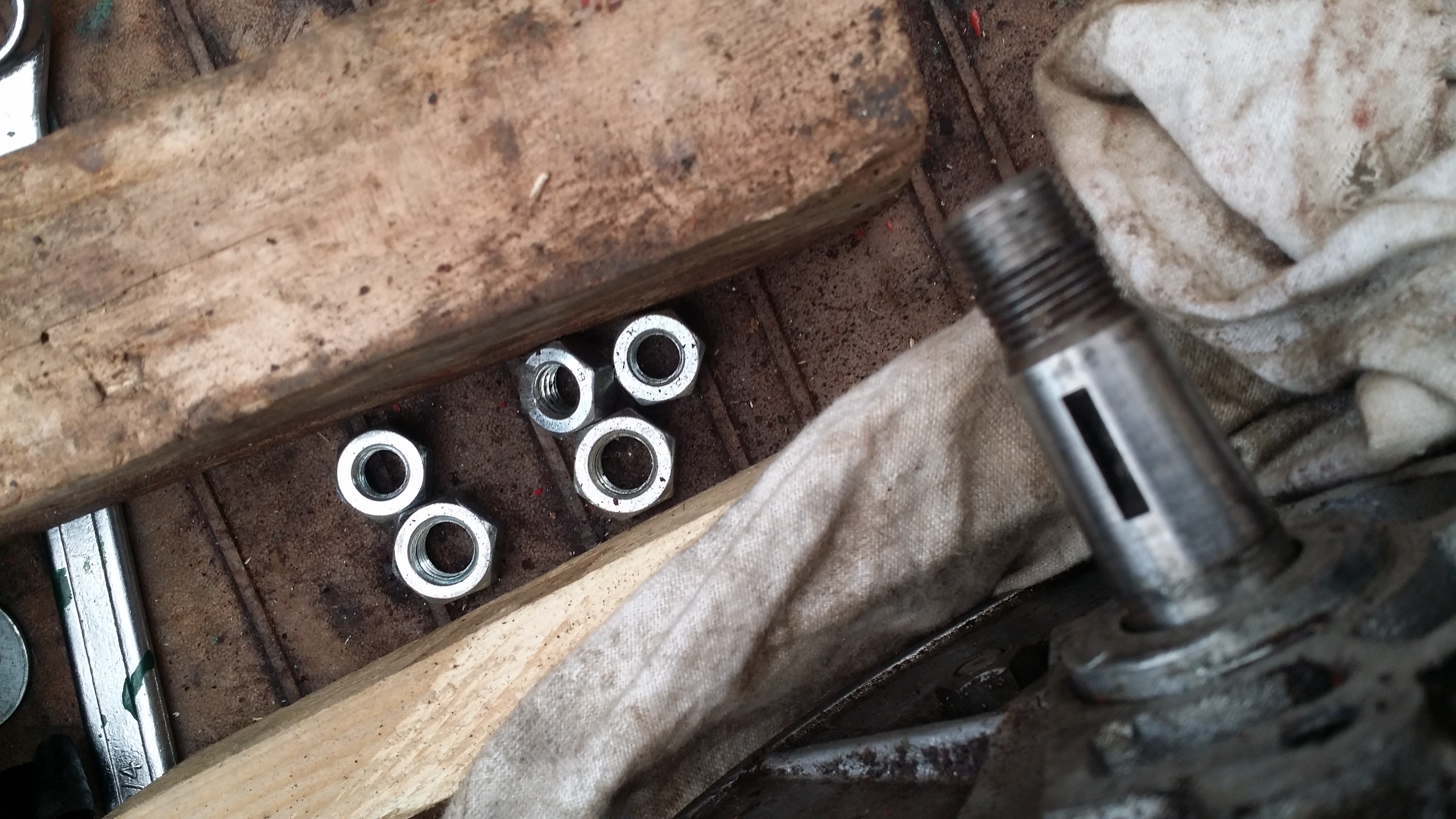
Hi I have removed the wipac flywheel on a jap 16H 2 stroke engine to gain access to the points and coil. when the flywheel came off I noticed that there was no woodruff key in the shaft and then spent the next hour searching the floor (promising myself that I would keep it clear and clean in the future) for the presumed lost key that was never found.On further inspection I have noticed that there is only a small indication groove in the flywheel and no way for a key to pass. I know that the key on B&S engines are alloy and only for location prior to the tightening of the wheel to the shaft taper. I can only presume that a key on the landmasters 16H is not fitted and the flywheel is aligned by eye.Is there any one who has knowledge of this component who may be able to advise on the flywheel fitting? Unfortunately I do not have an engine manual only an engine parts list which show a woodruff key.I have another 150 but it has a B&S fitted. I will post a couple of photos later.
Many thanks LenMarch 9, 2016 at 10:46 am #20174vhgmcbuddyKeymasterAttached a couple of photos of the flywheel and the shaft
March 9, 2016 at 10:59 am #20177vhgmcbuddyKeymasterseem to be having attaching problems will try again
March 9, 2016 at 1:54 pm #20189vhgmcbuddyKeymastertest
Attachments:
March 9, 2016 at 1:58 pm #20191vhgmcbuddyKeymastertest 2
Attachments:
March 9, 2016 at 6:37 pm #20203andyfrost
ParticipantA 16h definately should have a woodruff key.
Andy.
March 9, 2016 at 7:26 pm #20204vhgmcbuddyKeymasterThanks for the reply Andy I wonder if there has been a repair at sometime and the keyway ommited do you know off hand the key dia and if it is a steel one or alloy any information would be appreciated.
regards LenMarch 9, 2016 at 8:38 pm #20205trusty220
KeymasterThe flywheel type looks similar to the Villiers ones with a cam on the flywheel boss. Villiers engines don’t have a key but rely on the taper to keep them in the correct position. Basically, if you put the flywheel onto the crankshaft and tighten it up on the taper it will produce a spark when you spin it; the knack is to put the flywheel in the right place so that the spark occurs at TDC or just before (BTDC).
To achieve this it is best to remove the cylinder head, then rotate the engine in the direction that it runs. For an engine of this size you should stop the rotation when the piston is 1/4″ from the top of the bore before it reaches TDC. Do not turn the crankshaft, and if you can lock it in position so that it doesn’t turn even better.
Next you will fit the flywheel loosely on the crankshaft, fitting the flywheel nut to prevent it falling off. Do not tighten it to the crankshaft yet. The flywheel can then be rotated around the crankshaft and the points gap observed. Rotate the flywheel in the direction that the engine runs, watch the points close, keep rotating the flywheel slowly until the points gap starts to open. This is when the spark will occur. Without moving the relative positions of the crankshaft and flywheel you should now tighten the flywheel nut to lock the tapers together.
The engine should now be timed.
March 9, 2016 at 9:12 pm #20207vhgmcbuddyKeymasterThanks for the reply yes the cam is on the flywheel boss I do know that villers made a model which was also a 16h and a copy of the j.a.p so perhaps it is so the j.a.p 16h engine was fitted to a couple of small motorcycles in the late 50s early 60s perhaps the keyway was used on these the crankshaft I am told was universal so who knows.
thank you all for your help I will update on the progress.March 9, 2016 at 11:53 pm #20208expeatfarmer
ParticipantIs there a chance that someone has fitted a short key which has sheared off?
March 10, 2016 at 6:49 am #20209vhgmcbuddyKeymasterThank for the reply
That was my first thought but the shaft seems cleen no scores or bruses. The flywheel bore also looks cleen I will get my camera out and take a few better photographs the present ones are a not so clear.March 10, 2016 at 5:24 pm #20216ParticipantYour flywheel and crank clearly show that a key should be fitted , get yourself a snug fitting key and you do not have to faff around with the timing as described , it will be spot on with the keyed method , it’s the whole idea of having a key in the first place.
March 10, 2016 at 7:14 pm #20219vhgmcbuddyKeymasterHi
The key will have to be machined (filed) to a boot shape as the keyway on the flywheel is only about 3/16 deep I will post a few photos when completed I have another 16h that has never been used it is a bit older than the one I am working on at the moment.it may have a differant magneto and set up I will see, just don’t want to open it up whilst the workshop is so full
Thanks for the intreast and information.March 10, 2016 at 8:29 pm #20220ParticipantGet a selection of imperial woodruff keys ……..job sorted.
Andy.
-
AuthorPosts


- You must be logged in to reply to this topic.


